
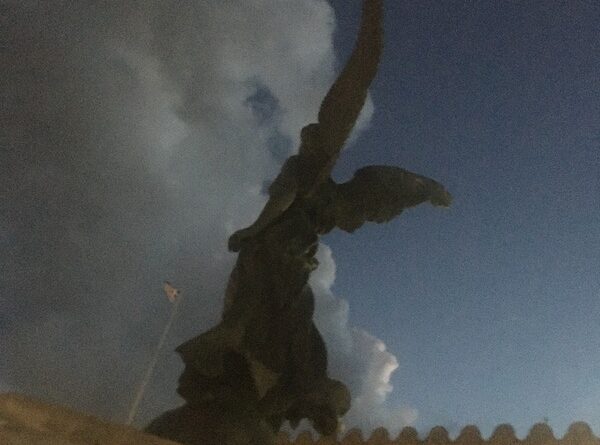
Mandraki in Rhodes
Mandraki is the picturesque harbor of Rhodes, the capital of the Greek island of the island of Rhodes. It is located on the northern side of the city and is considered one of the most beautiful and lively areas of the town.
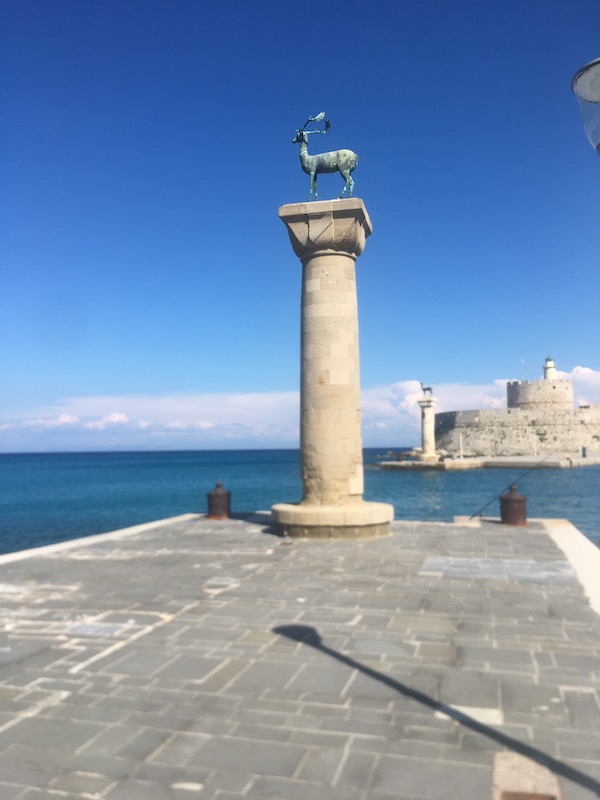
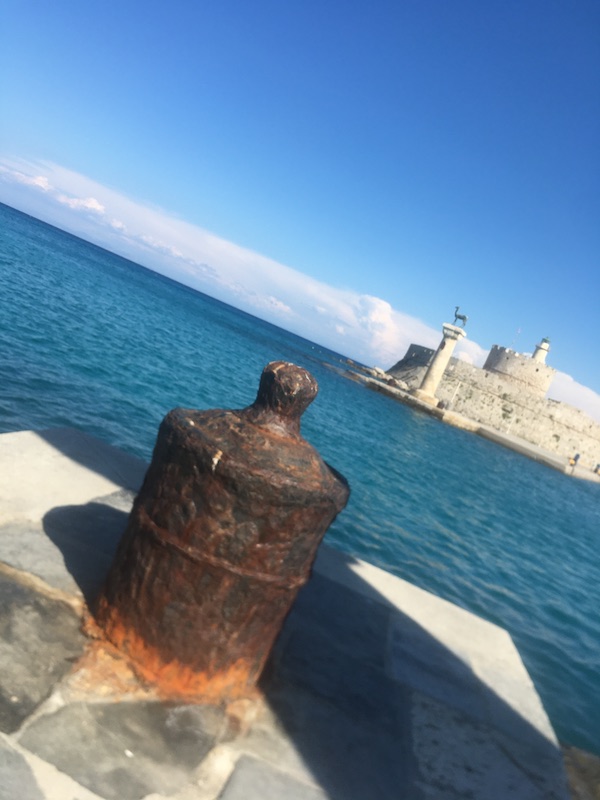
The harbor is steeped in history and is believed to be the spot where the legendary Colossus of Rhodes once stood, one of the Seven Wonders of the Ancient World. Today, visitors can see two bronze statues that mark the entrance to the harbor, representing the deer and the doe that were said to have pulled the chariot of the sun god, Helios.
The harbor is a bustling center for maritime activities and is home to a variety of boats, from small fishing boats to luxury yachts. Visitors can take a boat tour of the harbor, visit the nearby islands or explore the coastline.
The harbor is also a popular destination for dining and entertainment. It is lined with restaurants and cafes, offering a variety of cuisine, from traditional Greek dishes to international cuisine. At night, the area comes alive with music and dancing, creating a lively and festive atmosphere.
Mandraki also has several historic landmarks, including the medieval fortifications that were built by the Knights of St. John to protect the harbor from invaders. The fortifications include three windmills, which have become iconic symbols of Rhodes.
Near the harbor, visitors can also explore the Aquarium of Rhodes, which showcases the diverse marine life found in the Mediterranean Sea, as well as the Archaeological Museum of Rhodes, which houses a collection of ancient artifacts from the island.
Overall, Mandraki is a vibrant and exciting destination that offers visitors a unique combination of history, culture, and entertainment. It is a must-see for anyone visiting the island of Rhodes, and a true testament to the enduring beauty and charm of Greek island life.
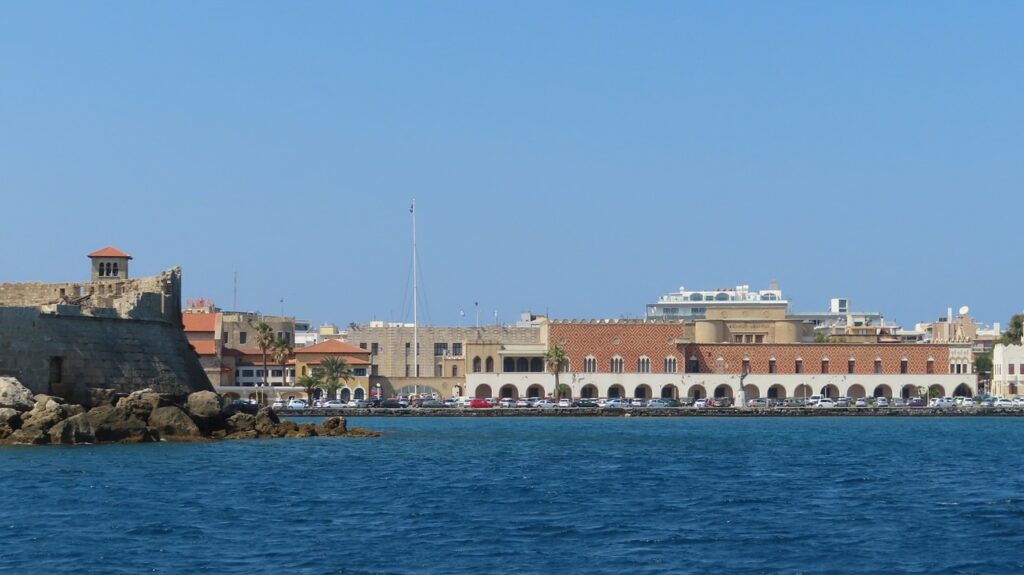
Although the island of Rhodes is known for its rich Greek history and architecture, the Mandraki area in particular also features some impressive Italian buildings.
During the period of Italian rule in Rhodes (1912-1947), the Italian authorities carried out extensive renovations and reconstruction projects in the area of Mandraki. They aimed to showcase the city’s ancient history, while also reflecting their own influence and cultural identity.
One of the most notable Italian buildings in Mandraki is the Post Office building, located near the entrance of the harbor. It was built in the 1920s in the Italian Rationalist style, characterized by simple, geometric forms and a functional design. The building features a tall tower with a clock, and the facade is decorated with a relief of the winged lion of St. Mark, the symbol of Venice.
Another impressive Italian building in Mandraki is the Governor’s Palace, located at the western end of the harbor. It was originally built by the Knights of St. John in the early 16th century, but was extensively renovated by the Italians in the early 20th century. The building features a blend of Gothic and Renaissance styles, with intricate carvings and a grand staircase leading to a large central courtyard.
Other Italian-style buildings in Mandraki include the Bank of Greece building, the Municipal Art Gallery, and the Prefecture building. All of these structures reflect the unique Italian influence on the architecture of Rhodes, and serve as a testament to the island’s diverse cultural heritage.
Overall, the Italian buildings in Mandraki add a unique element to the city’s already impressive architecture and history. They showcase the influence of the Italian culture and their contributions to the preservation and restoration of the city’s historic landmarks.