

Greek Ouzo & Mastika – Delightful Alcoholic Drinks

“Savour Greece’s Iconic Spirit: The Invigorating World of Ouzo and Mastika”

This traditional Greek liquor is more than a drink. It’s a symbol of Greek culture, hospitality, and tradition. Distilled from grapes and flavored with anise seeds, this clear, aromatic spirit has been enjoyed for centuries along the shores of the Aegean and the Ionian Seas.

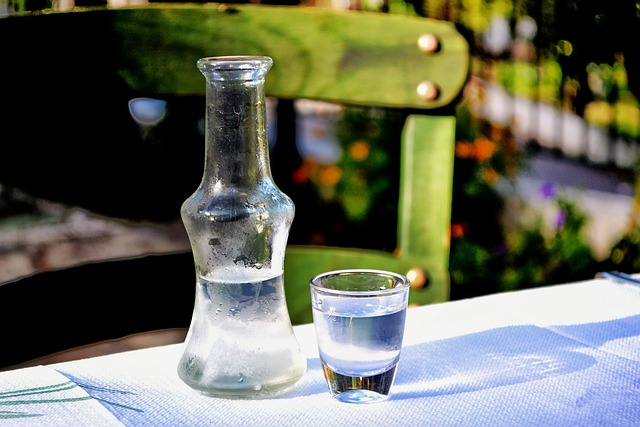
When mixed with water or ice, this Greek anise spirit turns a milky white color, a magical transformation caused by the essential oils of anise. Its taste is distinctive and bold: sweet at first, then warmly spicy, leaving a lingering flavor that perfectly complements the Mediterranean sun and sea.

Traditionally, is not drunk alone. It’s a social drink, shared slowly in good company. Greeks enjoy it in small glasses, accompanied by mezedes a variety of small dishes like grilled octopus, olives, feta cheese, and fresh seafood. The pairing enhances the flavor and turns the moment into a relaxed ritual of conversation and friendship.

Each region of Greece adds its own character to the spirit. The town of Plomari on Lesvos Island is famous for producing some of the finest ouzo, known for its delicate aroma and smooth finish. Other notable varieties come from Tyrnavos, Kalamata, and Thessaloniki.

The Spirit of Greece

To Greeks, this local spirit captures the essence of the country itself. Sunshine in a glass, a celebration of simplicity, and the joy of sharing life’s moments together. Whether sipped by the sea at sunset or enjoyed in a bustling taverna, this anise spirit remains one of Greece’s most enduring pleasures.

They say you can make alcohol from just about anything! Well, take what’s left after the grapes have been pressed and all that nice juice is gone to be fermented into  wine, then the skins, seeds, stems etc. Mix them with some herbs, roots, berries and flowers, let them ferment for a while, then distill them and you will get an alcohol that is said to be the origin of this drink.

Even today the Greeks drink the “cheapero”, fermented residue of the grapes, which is then distilled to produce a very strong alcohol. If you drink generous amounts of this alcohol, then be prepared to face the consequences the next day! However, modern day this aperitif comes from alcohol distilled from molasses, mixed with anise plus other herbs
ouzo
ouzo

Origin of the name

The origin of the name is a fascinating blend of history, language, and legend. While there is no single, universally accepted explanation, several theories trace the word’s roots back to the 19th century — a time when the drink became widely produced and exported across Greece.

One popular theory links the name to the Italian phrase “uso Massalia”, meaning “for use in Marseille.” In the 1800s, Greek merchants shipping high-quality spirits to France would stamp their wooden crates with this label. Over time, locals began referring to the premium product inside simply as “ouzo.”

Another possibility is that the name derives from the ancient Greek word “οῦζον” or “οῦζο”, related to “οὐσία” (ousia), meaning “essence” or “substance.” This connection makes sense given that ouzo is essentially a distilled essence of anise and herbs.

A third, more folkloric explanation suggests that the term evolved regionally from Tsipouro — the traditional grape-based spirit from which liqueur developed when flavored with anise.

Whatever its true linguistic origin has come to represent much more than a word. It embodies Greek craftsmanship, tradition, and hospitality — a name that instantly evokes images of blue seas, sunny tavernas, and the warmth of shared moments.

Ouzo & Mastika

For most people it can be difficult to distinguish one Ouzo from another, although experts will tell you that a good Ouzo must always be re-distilled, unlike most these Greek anise spirit which are simply blended. You will find that there is a wide range of this local product on the market that vary in alcohol content (around 40%), in price and in the strength of anise’s taste.

Connoisseurs say that one of the best Ouzos comes from Macedonia and the regions of Lesvos (Mytilini), although there are many distilleries operating throughout Greece. It is a good “taste of Greece” to take it home as a gift for friends and some are packaged in very nice bottles which can then be reused as vases or as a simple ornament. If you prefer to keep it to yourself then you will find that it is normal to drink it mixed with water and that it is an excellent complement to your “ Meze ”.

Mastika (Mastiha) The Iconic Anise-Flavored Spirit of the Mediterranean

A resinous gum from a species of pistachio tree, the “Pistacia lentiscus”, has been used in Greece for hundreds of years as a remedy for a wide range of gastro intestinal disorders.It has been found to be a viable alternative to drugs in the treatment of gastritis, gastroesophageal reflux disorders (GERD) and many types of intestinal inflammation.

It is also a healthy and effective alternative to antibiotics in the treatment of stomach and duodenal ulcers and in the elimination of bacteria, so frequently the cause of these diseases: “Helicobacter pylori” (H. pylori). In fact, unlike antibiotics, this local product does not also eliminate friendly intestinal bacteria, which are so important for health and well-being.

This local product is a popular alcoholic beverage from the Eastern Mediterranean, particularly famous in Greece, Bulgaria, and Turkey. It is a clear, strong liqueur flavored primarily with mastic resin, a natural gum obtained from the mastic tree (Pistacia lentiscus), native to the Greek island of Chios.

Flavor and Aroma:
Mastika is renowned for its distinctive, slightly pine-like and sweet taste, coupled with a refreshing licorice-like aroma. The resin gives the drink a unique fragrance that is instantly recognizable, making it a cultural symbol of the regions where it is produced.

Alcohol Content:
This local product usually has an alcohol content of around 30–40% ABV, depending on the brand and country of origin. Despite its strength, it is often enjoyed in small amounts due to its intense flavor.

Consumption:
This drink is traditionally served chilled in small glasses. In some regions, it is diluted with cold water, turning a milky-white color, similar to ouzo or raki. It is commonly enjoyed as an aperitif or after a meal, often accompanied by nuts or desserts. In social settings, it is a staple for celebrations and gatherings.

Cultural Significance:
In Greece, particularly on Chios, Mastika (Mastiha) is more than a drink. It is a part of the island’s identity and heritage. The process of harvesting mastic resin is labor-intensive and has been carried out for centuries, earning Chios recognition as a UNESCO-protected cultural product.

Health & Tradition:
Historically, this drink was believed to have digestive benefits, and it was often consumed to soothe stomach discomfort. Modern research supports some of its antioxidant and antimicrobial properties, although it is enjoyed primarily for its flavor.

Ouzo Plomari

Mastika

Share