
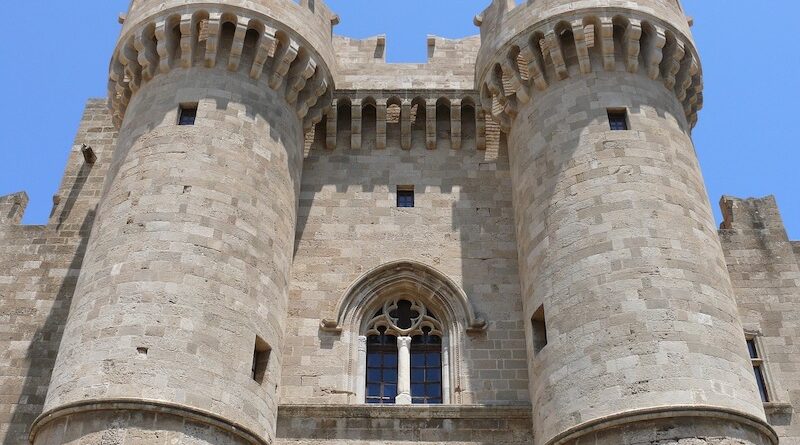
Palace of the Grand Master
“Explore the Majestic Palace of the Grand Master in Rhodes”
Palace of the Grand Master in Rhodes is a historical landmark located in the medieval old town, Greece. It was originally built in the 14th century by the Knights of St. John, who were a medieval Christian military order.
The castle served as the residence of the Grand Master, the highest official of the Knights Hospitaller.
The original mansion was badly damaged in 1856 when an ammunition explosion occurred. Later, during the Italian occupation in the early 20th century, the Italians rebuilt the castle on the basis of medieval architectural elements. Today it represents a testimony of the medieval history of Rhodes.
The Palace is known for its impressive architecture, including Gothic and Renaissance features. Visitors can explore its grand halls, courtyards, and exhibits displaying medieval furniture, artwork, and historic artifacts. The castle also offers panoramic views of the historic center and the surrounding area.
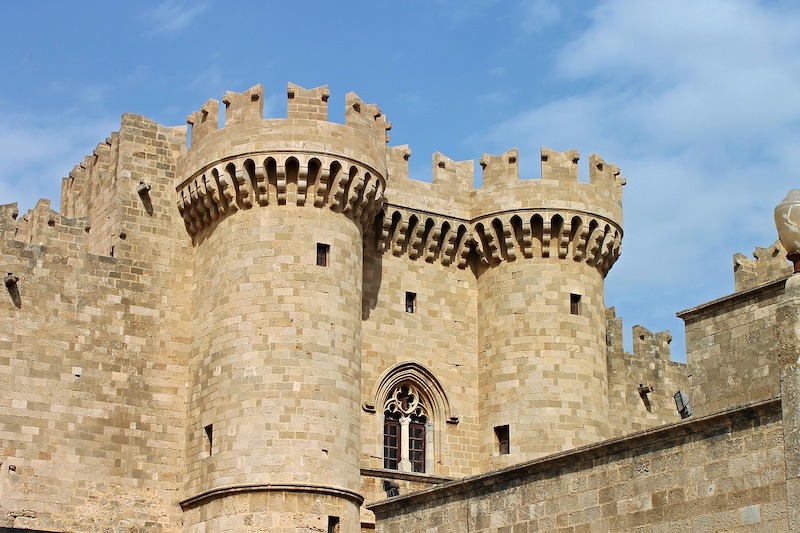
Grand Master Palace
The mansion hosts various exhibitions highlighting the history and culture of the island. Specific exhibits may change over time, so it’s a good idea to check for the latest information before visiting. Here are some examples of the types of exhibitions held at the castle:
Medieval Artifacts: the castle displays a collection of medieval artifacts, including weapons, armor, and religious artifacts, providing insights into the life and culture of the Knights of Rhodes.
Byzantine and Ottoman art: some exhibits focus on the Byzantine and Ottoman periods in the history of Rhodes. They may display religious icons, pottery, textiles and other art from these eras.
Historic Interior: the castle itself features well-preserved rooms representing different historical periods. These rooms are often decorated with period furniture, tapestries and works of art, allowing visitors to experience the atmosphere of past centuries.
Archaeological Finds: this island has a rich archaeological heritage and the mansion occasionally hosts exhibitions featuring archaeological discoveries of the island and surrounding areas. These exhibits may include pottery, sculpture and other artifacts from ancient times.
Temporary exhibitions: the medieval castle can also host temporary exhibitions focusing on specific themes, such as local folklore, traditional crafts or contemporary art. These exhibitions offer the opportunity to explore different aspects of Rhodian culture and artistic expressions.
It’s worth noting that the exhibits and displays may vary depending on the time of visit, as new exhibits are curated and old ones may be replaced. Therefore, it is advisable to check with the official website or local tourist information for the most up-to-date information on current exhibitions at the Grand Master’s Palace.

The Italian Restoration of the Grand Master Palace
The Palace of the Grand Master of the Knights of Rhodes, a monumental symbol of the island’s medieval past, owes much of its current appearance to the Italian restoration carried out during the Italian occupation of the Dodecanese (1912–1943).
Originally built in the 14th century by the Knights of St. John, the castle was severely damaged in 1856 when an explosion in a nearby gunpowder store destroyed much of the upper structure. For decades, the site remained in ruins until the Italians, motivated by both cultural and political goals, undertook an ambitious program of restoration in the 1930s.
Led by Italian architects such as Armando Bernabiti and Florestano di Fausto, the project aimed not only to reconstruct the palace but also to present it as a monument to Mediterranean and Crusader heritage, aligning with Fascist Italy’s ideological interest in connecting itself to the legacy of Rome and medieval Europe.
The restoration combined archaeological accuracy with romantic reinterpretation. Using local limestone, new vaulted halls, Gothic arches, and massive stone staircases were rebuilt according to medieval models. Decorative details — including mosaic floors imported from Kos, wooden ceilings, and ornamental doors and windows — reflected a stylistic blend of Gothic, Byzantine, and Renaissance influences.
While some historians criticize the project for being more reconstruction than preservation, the Italian work ensured the survival and renewed prominence of one of this island’ greatest landmarks. Today, the Palace stands as both a great piece of medieval architecture and a testament to early 20th-century restoration philosophy, bridging the island’s layered history from the Knights of St. John to modern Greece.
Visiting the Grand Master’s Palace in Rhodes – Useful Information
The Palace of the Grand Master is located at the top of Ippoton Street, also known as the Street of the Knights, in the heart of Rhodes Old Town. It is one of the most important historical sites on the island and a highlight for visitors interested in medieval architecture and history.
The palace is open daily, with hours varying by season. During summer (April to October), it is generally open from 8:00 to 20:00, and in winter (November to March) from 8:30 to 15:30. It may be closed on certain public holidays, so it is advisable to check locally before visiting.
Entrance tickets cost around 6 euros for adults and 3 euros for students, children, and seniors. A combination ticket is available that includes other archaeological sites in Rhodes, offering good value for visitors exploring more of the island’s history.
Inside the palace, visitors can see large halls with beautiful mosaic floors brought from the island of Kos, medieval furniture, sculptures, and Byzantine icons. The inner courtyard, surrounded by arches and columns, is one of the most photographed parts of the site. From the upper levels, there are panoramic views of Rhodes Old Town and its fortifications.
It is recommended to visit early in the morning or later in the afternoon to avoid the heat and large tour groups. Comfortable shoes are essential because the streets of the Old Town are uneven and cobbled. Photography is allowed in most areas, but flash is often restricted.
The palace can be easily reached on foot from the center of Rhodes Town, or by car or taxi from nearby resorts such as Faliraki and Kallithea, which are about 20 to 25 minutes away. Parking is available outside the Old Town gates.
