
Filerimos Rhodes
Filerimos Rhodes, a journey through history and serenity on the island of Rhodes
Nestled among the captivating landscapes of the Greek island of Rhodes, lies a hidden gem that attracts travelers seeking a blend of history, spirituality and breathtaking views. Filerimos, a prominent hill located southwest of Rhodes, Town, bears witness to the island’s rich past and provides a sanctuary of tranquility for those who venture to its peaks.
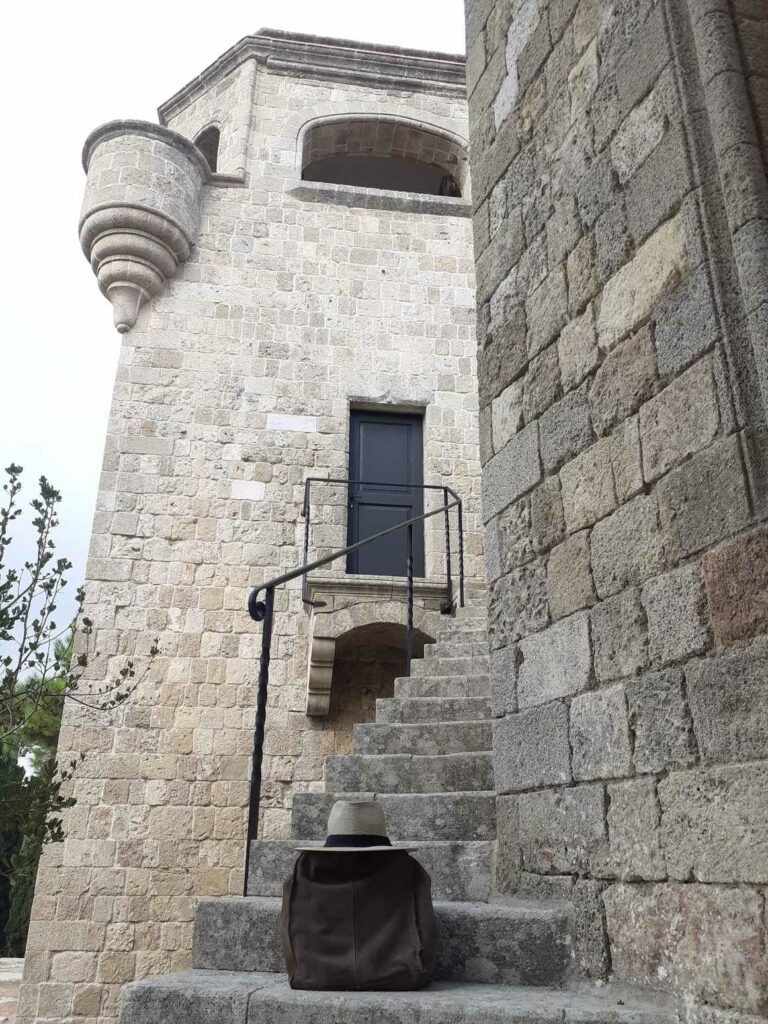
Perched atop this verdant hill is Filerimos Monastery, a place where time seems to stand still and echoes of Byzantine history ring in the air. The architecture of the monastery, a fusion of ancient design and modern restoration, embodies the cultural evolution of the island over the centuries. Within its walls, icons and religious artefacts offer glimpses into the island’s spiritual heritage, inviting visitors to connect with the deep sense of devotion that has been woven into its fabric.
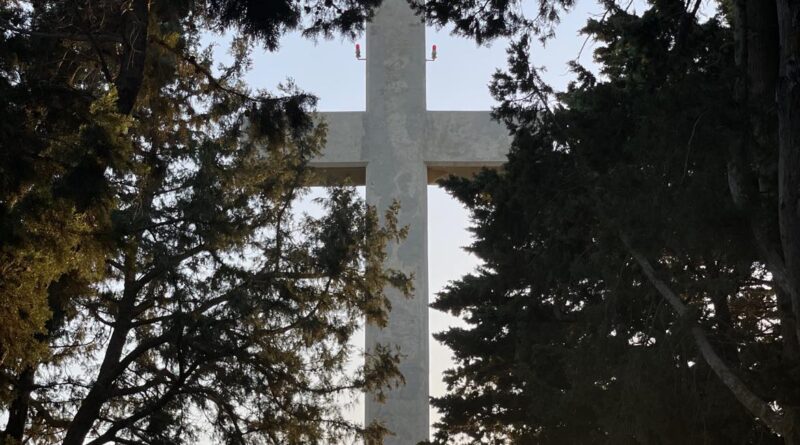
As visitors ascend the Path of Golgotha that leads to the monastery, they embark on a symbolic journey. The Stations of the Cross, depicted through shrines and sculptures, guide pilgrims and explorers to a magnificent cross that crowns the hilltop. Here one is rewarded not only with a breathtaking panorama of the coastal expanse of Rhodes, but also with a moment of reflection, a pause to appreciate the unity of history, faith and nature.
Among the ruins of an ancient acropolis, the whispers of antiquity grow louder. Crumbling walls and stone foundations offer a glimpse into the lives of those who once inhabited this place, reminding us that Filerimos has witnessed the passage of time and the stories it brings with it. It is a place where threads of the past and present intertwine, inviting us to connect with the island’s narrative and understand the tapestry of its history.
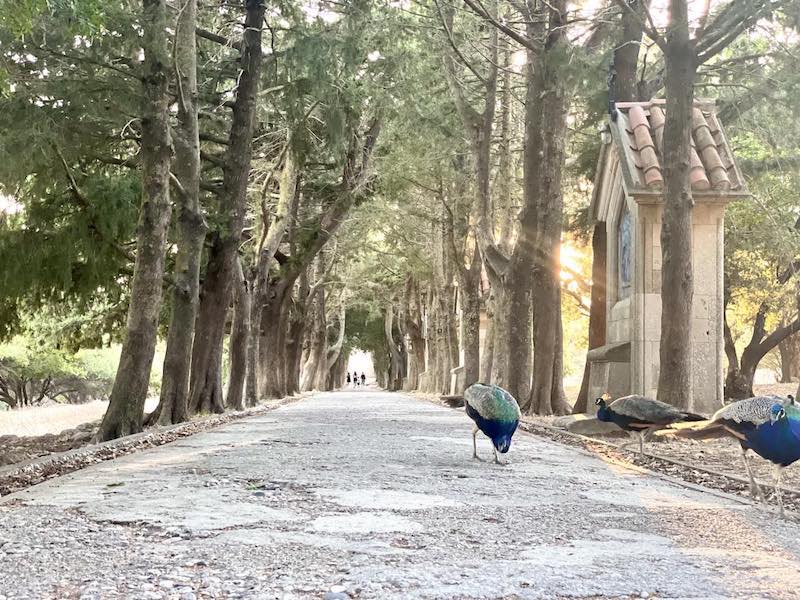
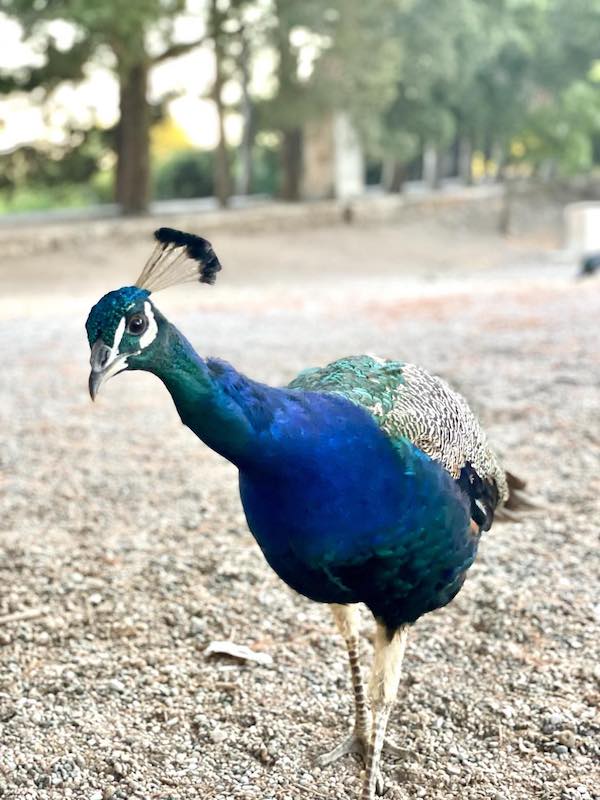
However, Filerimos is not just a repository of relics and ruins. It is also a living testament to the island’s natural beauty. Free-roaming peacocks, adorned in vibrant plumage, roam the landscape, adding a touch of whimsy and grace to their surroundings. Their presence serves as a reminder that life hardens and flourishes in unexpected places, just like the echoes of history that continue to reverberate here.
In the heart of Filerimos, the Church of Our Lady stands as a beacon of faith and art. Adorned with frescoes that have stood the test of time, the church draws pilgrims and art enthusiasts alike, inviting them to contemplate the interplay between spirituality and creative expression.
Filerimos is a destination where moments of quiet contemplation blend perfectly with breathtaking views. It is a place where layers of history, spirituality and natural beauty converge to create an experience that stays in your heart and mind long after your visit is over. Whether seeking solace in the shadow of the monastery, catching the fleeting grace of peacocks or gazing at the expanse of sea and sky, Filerimos offers a journey that transcends time and connects us with the very essence of Rhodes,.